
How Popcorn Ceiling Removal Works, Step by Step

What happens between your first message and a finished, painted ceiling, including where asbestos testing fits and how we keep the mess contained.

Get a Free Quote
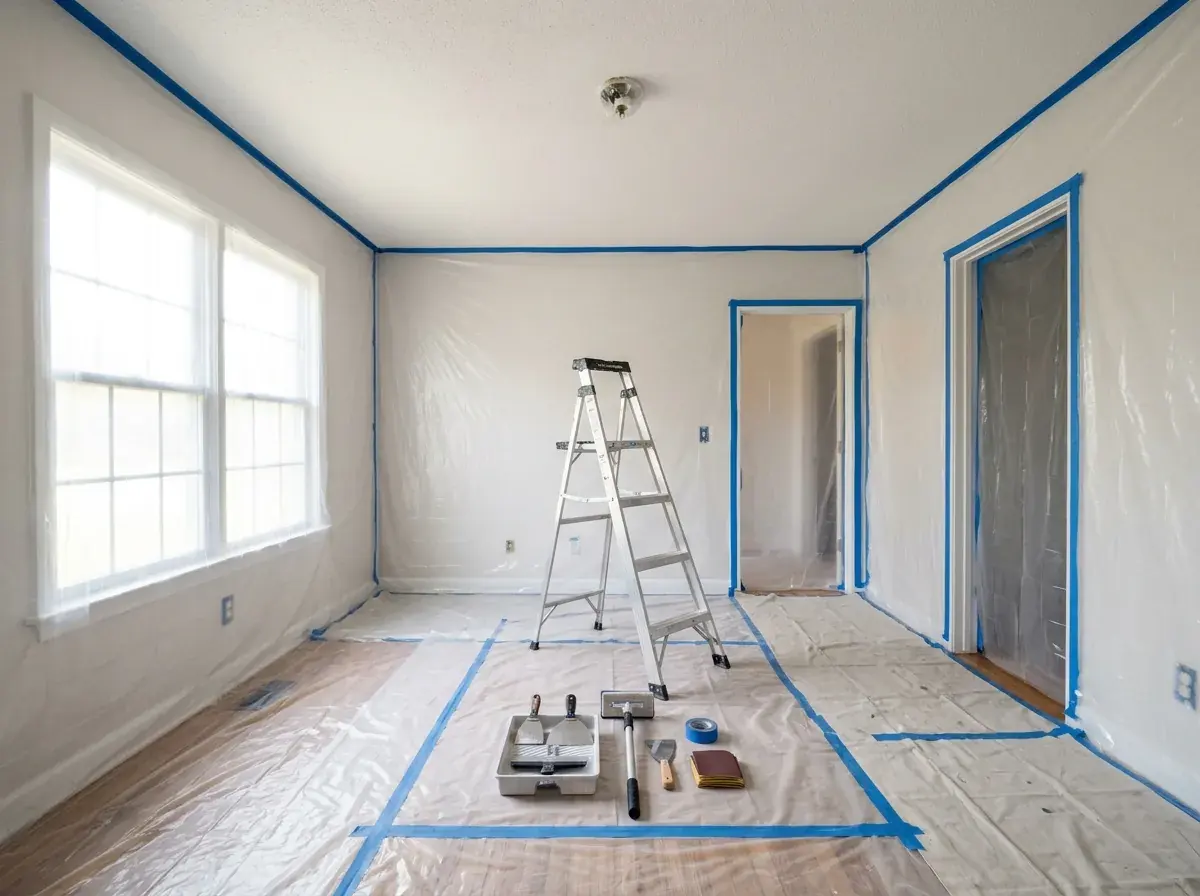
Room prepared with plastic containment for popcorn ceiling removal

Six steps, no surprises

Popcorn ceiling removal is simple in concept and messy in practice. The difference between a good job and a bad one is almost entirely in the prep, the finish work and the cleanup. Here is exactly how we run a project in a Charleston-area home, whether it is one bedroom in a West Ashley ranch or a whole two-story house in Summerville.

A single bedroom typically takes one to two days including drying time. A whole single-story home with a smooth finish usually runs three to five working days. We give you a day-by-day schedule with the estimate.

The six steps

  1. Free estimate

    Send us room dimensions, the year your home was built and a few ceiling photos through the quote form. We reply, usually the same day, with a typical range and the finish options that make sense. If the scope is large or the ceiling is unusual, we schedule a short on-site visit before writing the final estimate.

  2. Age check and asbestos test

    If the home was built before 1990 and the ceiling has never been tested, we stop here until a lab result is in hand. A small sample goes to an accredited lab; mail-in results cost about $50–$100 per sample. A negative result means we proceed. A positive result means we refer you to an SCDES-licensed abatement contractor and return only after clearance.

  3. Prep and containment

    On day one we move or cover furniture, lay floor protection, mask ceiling fans, lights and HVAC registers, and hang plastic over doorways so dust and wet texture stay in the work area. Power to ceiling fixtures is switched off before we start.

  4. Wet scraping

    We mist the texture with water in sections, wait for it to soften, and scrape it down in sheets with wide blades. Painted popcorn gets scored first and soaked longer. Debris is bagged as it falls. The ceiling comes out as bare drywall with visible seams and dimples, which is normal.

  5. Finish: skim coat or knockdown

    For a smooth ceiling we apply one or more skim coats of joint compound over the entire surface, let each dry, and sand flat. For a knockdown finish we repair seams, spray a splatter texture and knock it down with a wide knife. Drying time between coats depends on the weather; Lowcountry humidity can add a day.

  6. Prime, paint and cleanup

    New compound gets a coat of drywall primer, then two coats of flat ceiling paint. Once it is dry we pull the plastic, vacuum, wipe down surfaces and reset furniture. We walk the room with you before we leave, and if anything about the finish is not right, we come back and fix it.

Where asbestos testing fits

SCDES lists popcorn ceiling texture among common asbestos-containing materials and says buildings from before 1980 are the most likely to contain it. A lab test is the only way to confirm. We recommend testing any textured ceiling from before 1990. For most single-family homes in South Carolina, testing is a safety step rather than a legal filing; condos and buildings with five or more units are regulated and need licensed inspection and notification. We are not an abatement contractor and never remove asbestos-containing material. Read more on asbestos testing.

How we keep the mess contained

Wet scraping is the key. Dry popcorn turns to dust; wet popcorn comes down in heavy sheets that drop onto floor protection and go straight into bags. Plastic over doorways and masked registers keep the rest of the house clean, and we run air scrubbers during sanding. The room is vacuumed and wiped at the end of each day, not just at the end of the job.

Choosing a finish

Smooth is the finish most Charleston buyers expect in an updated home and the one MLS listings call out as "Ceiling - Smooth." It takes the most skim work. A light knockdown costs a little less and hides minor imperfections on older drywall. Scrape-only is an option if you have your own painter. See smooth ceiling finish for what each looks like.

Repairs the popcorn was hiding

Popcorn covers a lot: cracked seams, old water stains, nail pops and rough patches from previous repairs. Minor items are included in our finish price. Larger drywall repairs, such as a water-damaged section near a bathroom or a sagging panel, are quoted separately once the texture is off and we can see them.

Do I need a permit?

Interior cosmetic finish work, which is what texture removal, skim coating and painting are, generally does not require a building permit in South Carolina under the International Residential Code finish-work exemption. All three counties and the City of Charleston enforce the 2021 IRC. A permit would only come into play if the job also adds electrical such as new can lights, or if asbestos abatement is required, which falls under SCDES rather than the building office. We confirm with the local jurisdiction on each job, and HOAs or condo regimes may have their own work-hour and contractor rules.

We follow this same process in Mount Pleasant, West Ashley, Summerville, Goose Creek and across the tri-county area. Ready to start? Request a free quote, or check the cost guide first.

Ready for smooth, modern ceilings?

Free, no-pressure quotes across the Charleston tri-county area.

Call NowFree Quote